
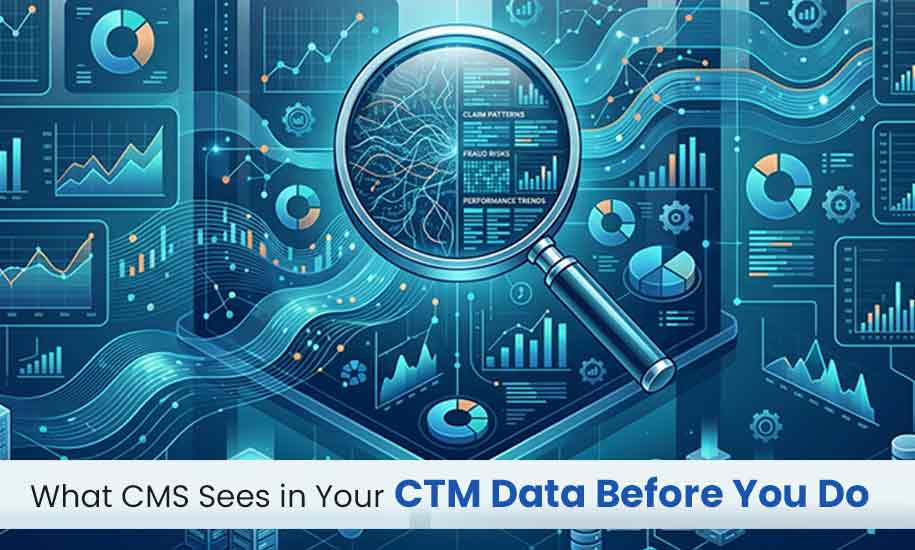
What CMS Sees in Your CTM Data Before You Do
Every complaint that reaches the CMS Complaints Tracking Module is logged, categorized, and on the clock before your plan hears
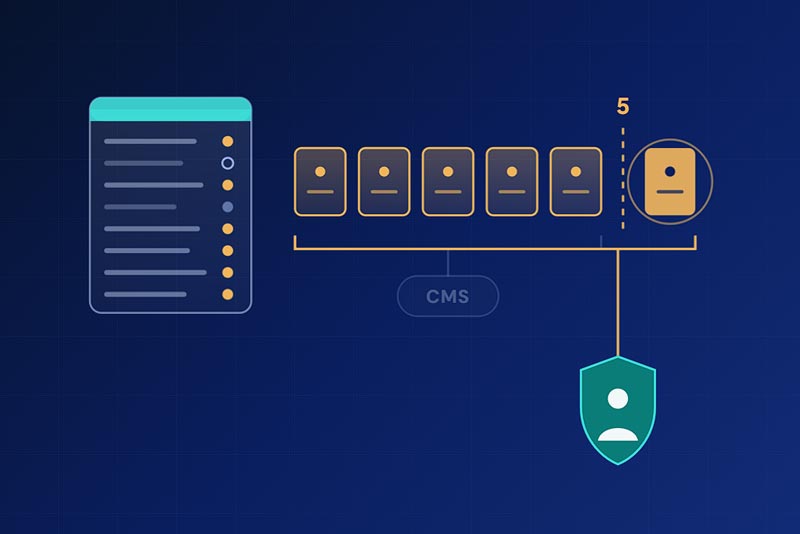
From audit finding to verified closure. CMS no longer scores findings, and a validation audit does not measure whether a […]
Read MoreEvery complaint that reaches the CMS Complaints Tracking Module is logged, categorized, and on the clock before your plan hears

The challenge is not adherence; most plans respond. It is whether the response is documented with a defensible evidence trail,
OIG’s Medicare Advantage compliance guidance points to a shift from process verification to operational surveillance. Health plans are increasingly expected to monitor trends continuously, detect behavioral patterns across denials, appeals, delegated oversight, and data quality, and demonstrate awareness of emerging risk before it becomes an audit issue.
Compliance failures rarely begin with misconduct. They begin with variability. In healthcare payer operations, compliance risk rarely shows up as
Why delegation audit defensibility is now a leadership issue Delegation audit defensibility used to be a compliance team concern. Today,

What Changed for 2026: Key Updates from CMS The 2026 audit update from CMS brings a fundamental shift in audit

CMS Sets New Guardrails for AI in Medicare Advantage The New Regulatory Landscape: CMS Guidance on AI and Algorithms While
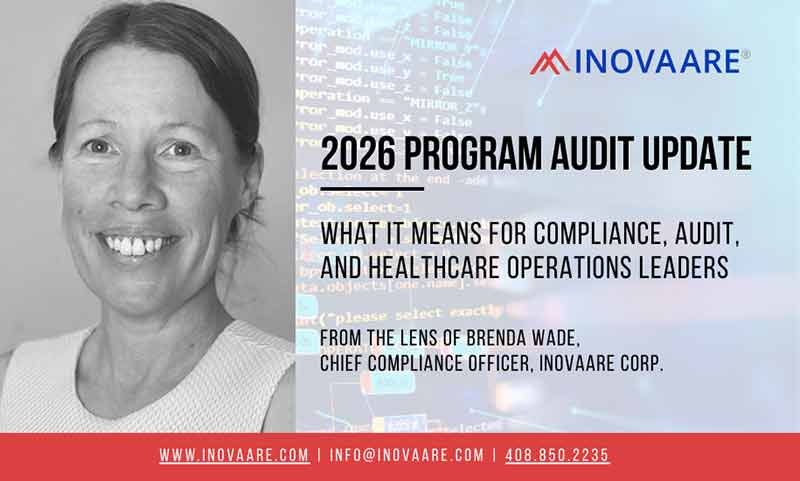
When the 2026 Program Audit update landed, I didn’t read it as a checklist of changes. I’ve worked in healthcare
The audit clock has already started CMS Program Audits follow predictable patterns, but most health plans still treat them as
How automation protects compliance, revenue, and member trust For health plans, disasters don’t just test emergency response; they test compliance,
What health plans must prove during audits Conflict of interest compliance is now a front-line issue for health plans. Regulators

In the complex healthcare landscape, delegating critical functions to third-party administrators (TPAs) can streamline operations but also introduce significant compliance risks. With CMS intensifying oversight, health plans must recognize that accountability for every delegated action lies squarely with them. From data integrity gaps to missed SLAs, the hidden risks can lead to audit findings and financial penalties. Discover how a continuous, digital-first Delegation Oversight approach can transform your TPA management, ensuring compliance and protecting your members. Don’t let your vendors define your risk profile, take control and gain confidence in your oversight strategies.